
Blog
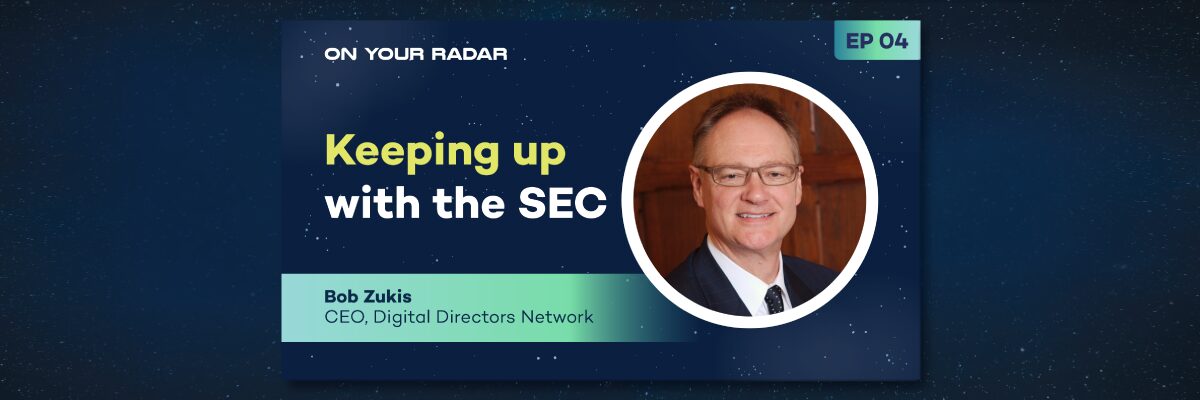
Episode 4: Keeping Up with the SEC | On Your Radar Podcast
Apr 10, 2024We’re back with another episode of the On Your Radar podcast! In this week’s episode, we sit down with Bob Zukis, author, partner at PricewaterhouseCoopers, professor, and currently the CEO of the Digital Directors Network, to discuss keeping up with the SEC cybersecurity disclosure rules.
Read More
Episode 3: Briefing the Board | On Your Radar Podcast
Mar 20, 2024We’re back with another episode of On Your Radar! In this week’s episode of our podcast, we sit down with Tami Dokken, lawyer and data privacy expert, to discuss privacy best practices for briefing the board. Tune in to find out what information leadership and the board really want from the privacy team and how to best prepare.
Read More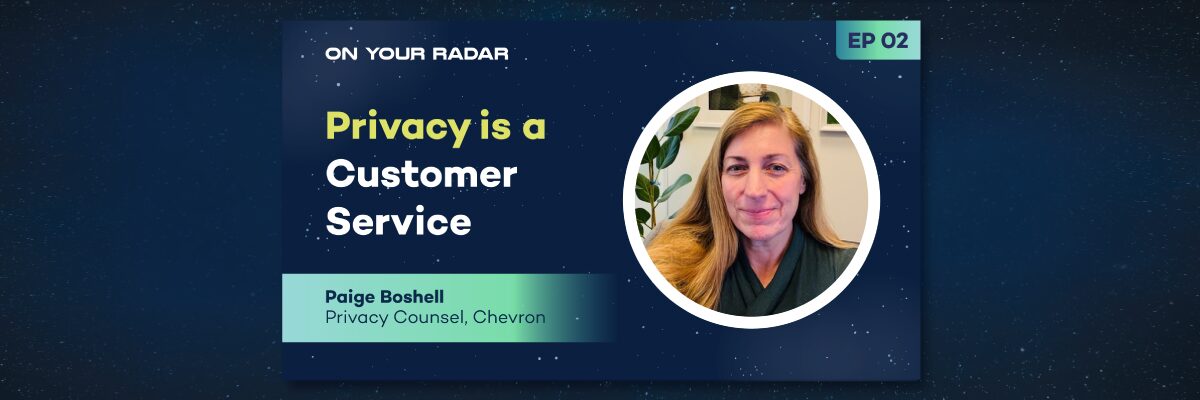
Episode 2: Privacy is a Customer Service | On Your Radar Podcast
Feb 22, 2024We’re back with another episode of On Your Radar! In this week’s episode of our podcast, we sit down with Paige Boshell, Privacy Counsel at Chevron, to dive into the ever-changing world of regulations and how they relate to customer service. With data breaches and privacy concerns on the rise, companies are under pressure to not only comply with regulations but also provide top-notch customer service when it comes to protecting their customers’ data.
Read MoreFeatured Resources
Explore More
2023 Privacy Incident Management Benchmarking Report
18 Functions to Prove Value with Intelligent Incident Response

7 Steps to Raise Your Incident Response IQ
Privacy Team Tabletop Exercise

7 Risks to Organizational Compliance
Feb 20, 2024Upholding compliance requires an organization-wide effort. In today’s digital landscape, there is no short supply of risks that organizations must be aware of in order to maintain compliance and avoid potential penalties or breaches. To help build awareness and mitigate harm, let’s explore the 7 common risks that hinder compliance efforts.
Read More
Cyber Threats and Risk Amplification
Feb 1, 2024As organizations operationalize the latest SEC cyber event reporting obligations, the time is ripe to discuss not only how cyber events are reported, but who owns cyber risk, and how collaboration can reduce organizational risk.
Read More
Episode 01: The Speed of Innovation | On Your Radar Podcast
Jan 17, 2024Hello experts! In the first episode of On Your Radar, Judy sat down with privacy and compliance thought leader Jodi Daniels to talk about what she expects from regulations in 2024 and what technology trends organizations should keep an eye on to maintain compliance in the new year.
Read More