
Blog - data breach resolution

Data Breaches 2023: Consequences of Non-Compliance with Privacy Laws
Mar 9, 2023Beyond regulatory fines or even class action settlements, consequences of non-compliance with privacy laws often follow a brand for years in its wake. Continue reading for major data breaches to keep on your radar and steps you can take today to protect your customers and safeguard their trust.
Read More
Should You Buy or Build Your Automated Privacy Incident Risk Assessment Tool?
Mar 2, 2023In today’s privacy data breach landscape, organizations without an automated privacy incident risk assessment tool cannot scale. Some privacy and security teams will consider the option of building their own tool, but that may not be the best approach. Continue reading to learn why.
Read More
Key Takeaways IAPP Webinar: Privacy Incident Management Simplified
Feb 9, 2023In case you missed our latest webinar on simplifying privacy incident management, we’ve got you covered. Continue reading to learn the key takeaways from the event.
Read MoreFeatured Resources
Explore More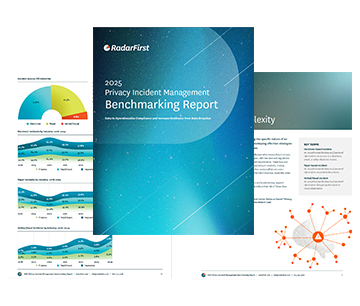
2025 Privacy Incident Management Benchmarking Report
18 Functions to Prove Value with Intelligent Incident Response

7 Steps to Raise Your Incident Response IQ
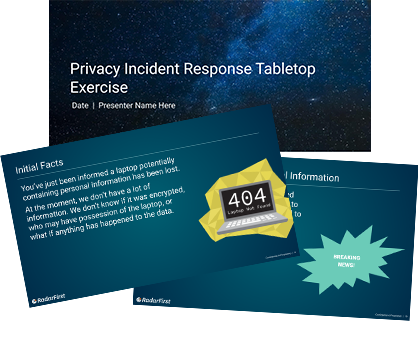
Privacy Team Tabletop Exercise

Remove Subjectivity and Streamline Data Breach Decisioning: Lessons from Live Q&A
Dec 8, 2022In the latest session of The Privacy Collective, we discussed how privacy teams can improve consistency in incident response, build team collaboration, and eliminate the subjectivity inherent in breach decisioning. Continue reading to learn the key takeaways from the session.
Read More
Too Much or Too Little? The Risks of Under- or Over-Reporting Data Breaches
Aug 10, 2022Given the complexity of breach notification laws, companies are often found under- or over-reporting data breaches.
Read More
What You Need to Know About Japan’s Amended APPI Law
Mar 31, 2022On April 1, 2022, amendments to Japan’s Act on Protection of Personal Information (Amended APPI) will come online, offering new guidelines, definitions, and requirements for data incidents and breaches that impact Japanese citizens. Japan’s data laws have already placed it at the top of list of countries concerned with protecting individual data rights – it was the first country to negotiate a reciprocal “adequacy” agreement with the EU, meaning data can flow between the EU and the designated “adequate” nation without any further data measures being put in place.
Read More